
Excavating a tree’s root collar to allow proper oxygen flow and sunlight exposure is critical for tree health. While we often focus on the lush canopy or the sturdy trunk of a tree, the most vital process happens right at the ground level. This area, known as the root flare or tree collar, is where the trunk transitions into the root system. In a perfect world, this flare is visible, sitting just above the soil line to allow for proper gas exchange. However, some people don’t realize how critical it is for a tree’s root collar to breathe and they strangle it with mulch and dirt.
At Cody’s Tree Service we know how important a tree’s root flare health is. We provide tree root collar excavation, aka RCE service throughout the greater Houston area including Katy, Fulshear, Richmond, Cypress, The Woodlands, Waller County, and more. Call (281) 391-3450 now or email us to request a quote today.
Mistakes that Cause Root Collar Dysfunction
In many urban and suburban landscapes, trees are planted too deep, or years of “volcano mulching” have buried this critical junction. When the tree collar is submerged under soil and mulch, it creates a dark, moist environment that the bark was never designed to handle causing mold growth and vulnerability to pests and disease.
Over time, this leads to a slow decline in health that many homeowners don’t notice until it’s too late. Tree collar excavation is the professional process of uncovering and aerating this area to restore the tree’s natural physiology.

Why Your Tree’s Collar Needs Breathing Room
Excavating the root flare isn’t just an aesthetic choice; it is a life-saving medical procedure for your trees performed by knowledgeable tree doctors. It is vital to leave a circular crater in mulch around the base of a tree at least 3 feet in diameter and 4 to 6 inches deep to avoid mulch mounding. By removing the excess debris and soil, we address several silent killers.
1. Promoting Vital Aeration and Oxygen Access
Roots require oxygen just as much as they require water. When the root flare is buried, the bark becomes saturated, and the lenticels (small pores in the bark used for gas exchange) are choked off. Excavation allows the tree to “breathe” again, facilitating the movement of oxygen into the root system and the release of carbon dioxide.
2. Preventing Stem Girdling Roots & Entanglement (SGRs)
One of the most common causes of premature tree death is root tangling, specifically stem girdling roots. When roots encounter deep mulch or compacted soil above the flare, they begin to circle the trunk rather than growing outward. As the tree grows in diameter, these circling roots act like a slow-motion noose, eventually strangling the vascular system and cutting off the flow of water and nutrients.
3. Stopping Decay and Secondary Infections
Bark is the tree’s primary defense against the world. However, bark that is constantly buried remains damp. This moisture softens the tissue, making it highly susceptible to fungal pathogens, wood rot, and bacterial cankers. By drying out the collar through excavation, we harden the defense system of the tree.
Related Reading…
- What Happens to a Tree When It Gets Cut Down & Should Roots Be Removed?
- Tree Clearing & Removal
- Texas ISA Certified Arborist
- Arborist Consultations
- Tree Services
- Tree Trimming & Pruning
Our Professional Approach to Restoring Root Collar Health
Restoring a tree’s health requires more than just a shovel. In fact, using heavy metal tools near the delicate bark of the root flare can often do more harm than good. Our team uses a combination of precision techniques to ensure the tree is protected throughout the process.
- Excessive Mulch Removal
- Pneumatic Aeration
- Pest Removal and Treatment
- Fertilizing Soil Amendment and Treatment
Strategic Mulch Removal
The first step is often the simplest but most mismanaged. We remove the “volcano” of mulch that has likely accumulated over years. We don’t just kick it away; we carefully strip it back to reveal the hidden damage beneath, ensuring we reach the original soil grade without nicking the trunk.
Pneumatic Aeration (The AirSpade Technique)
To clear soil from between delicate roots without causing mechanical damage, we utilize high-pressure air tools. This “pneumatic excavation” blows soil away from the roots while leaving the roots themselves completely intact. It is the gold standard for tree health, allowing us to see exactly where girdling roots are forming so they can be surgically corrected.
Pest Removal & Targeted Treatment
A buried root flare is a sanctuary for opportunistic pests like termites, carpenter ants, and root-boring beetles. As we uncover the collar, we inspect for signs of infestation. If pests are found, we apply targeted, eco-friendly treatments directly to the affected area, eliminating the threat before it moves deeper into the heartwood.
Soil Amendment & Nutrient Treatment
Once the flare is exposed, the surrounding soil is often found to be compacted or nutrient-deficient. We take this opportunity to incorporate organic matter, mycorrhizae (beneficial fungi), and specific nutrients and tree fertilizer into the soil. This creates a “rebound” effect, giving the tree the fuel it needs to recover from years of stress.
Long-Term Benefits of Root Flare Care
Investing in tree collar excavation today prevents the massive costs of tree removal tomorrow. A tree with a healthy, exposed flare will show:
- Increased Leaf Size and Density: Better nutrient uptake leads to a more vibrant canopy.
- Improved Drought Resistance: A non-strangled vascular system can move water more efficiently during hot Texas summers.
- Structural Stability: By correcting girdling roots, the tree develops a wider, more stable foundation, making it less likely to topple during high winds.
Root Collar Excavation FAQs
Look at the base of your tree. Does it go straight into the ground like a telephone pole? If so, it is likely buried. A healthy tree should have a visible “flare” where it widens out as it hits the grass so that when it rains water is trapped in a moat like circle around it. Other signs include premature yellowing of leaves, dieback in the upper canopy, or mushrooms growing near the base of the trunk (which may indicate the tree is already dead or dying).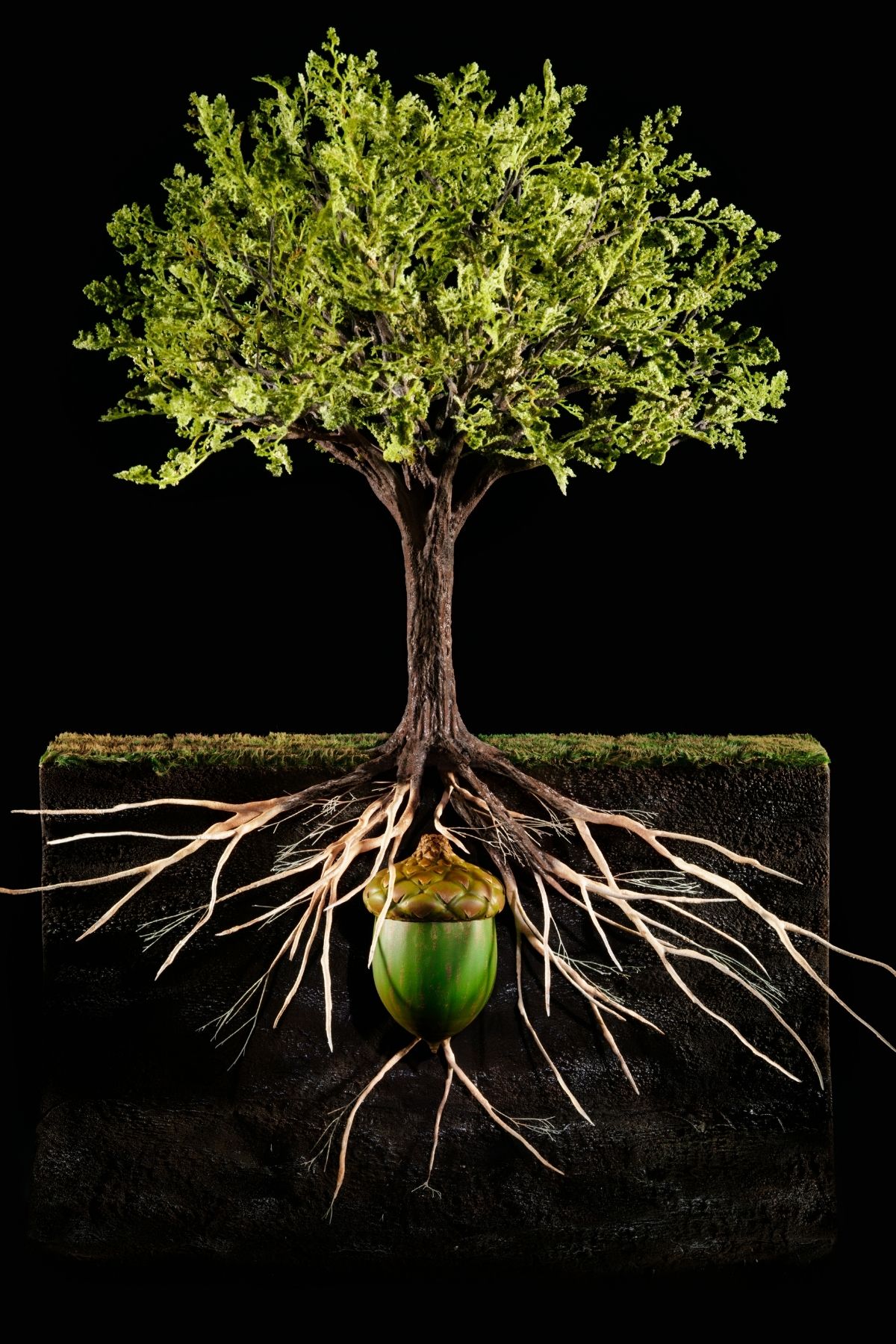
Whether we excavate manually or use pneumatic air tools there will be some soil displacement. However, our team uses containment shields to keep the soil localized and cleans up after every job. Once the service is complete, we level the area and apply a proper, thin layer of mulch (pulling it several inches away from the trunk’s diameter) to ensure the site looks professional and clean.
While it can be performed year-round, the best times are often in the late fall or early spring. This allows the tree to adjust to the change in soil levels before the extreme heat of summer or the dormant period of winter.
Quite the opposite. While we may prune away small, circling roots that are “choking” the tree, the overall impact is a massive net positive for the tree’s longevity. We are restoring the tree to its natural, intended state.
Generally, a thorough tree collar excavation only needs to be done once mulch mounding or tornado mulching is discovered. After the flare is properly exposed, it is up to the homeowner or landscaper to ensure that mulch and soil are not allowed to build up against the trunk again in the future.
Partner with Certified Experts
Your trees are an investment in your property’s value, your home’s cooling costs, and the beauty of your landscape. Don’t let a strangled tree collar lead to the need to remove a tree. Our ISA Certified Arborists have the specialized equipment and the biological knowledge to perform deep-root diagnostics and professional collar excavations that save lives—tree lives, that is.
Service Areas
Request a Root Collar Inspection Today
Contact us today for a root collar inspection and give your trees the breath of fresh air they deserve by calling (281) 391-3450 now or emailing us in Houston, Katy, Fulshear, Waller County, Cypress, Richmond, and The Woodlands, Texas.